

Discover Cavallino-Treporti: Venice's Ultimate Beach and Nature Escape
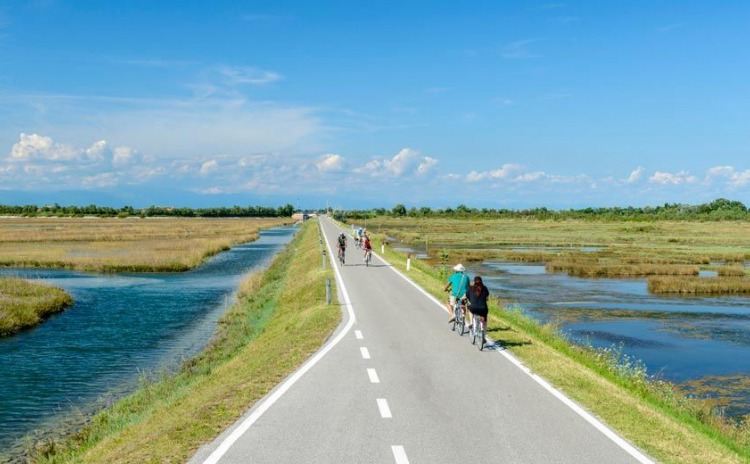
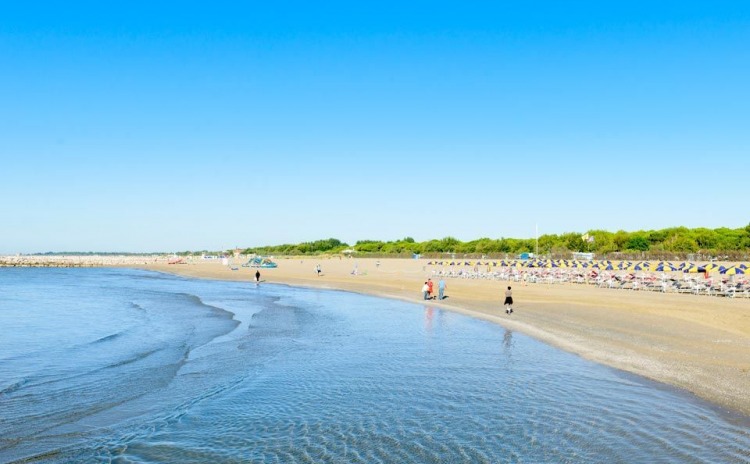
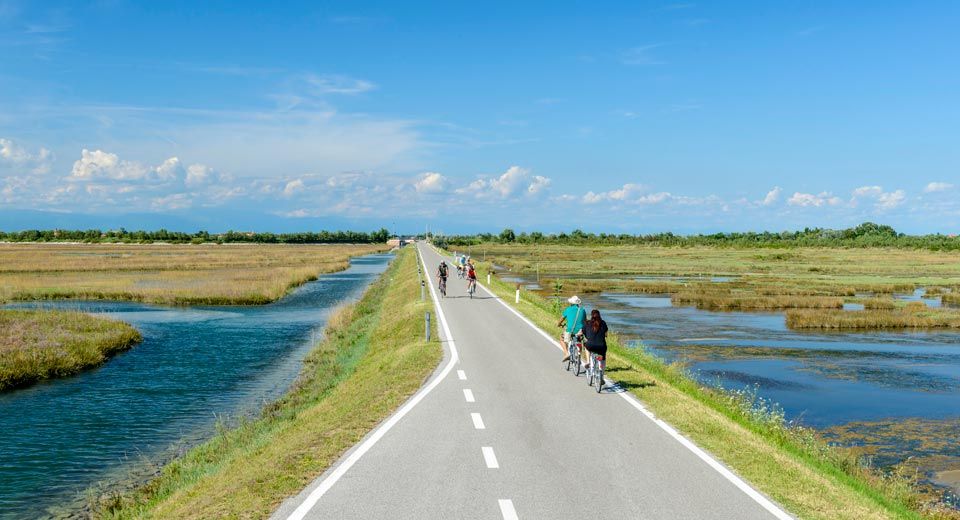
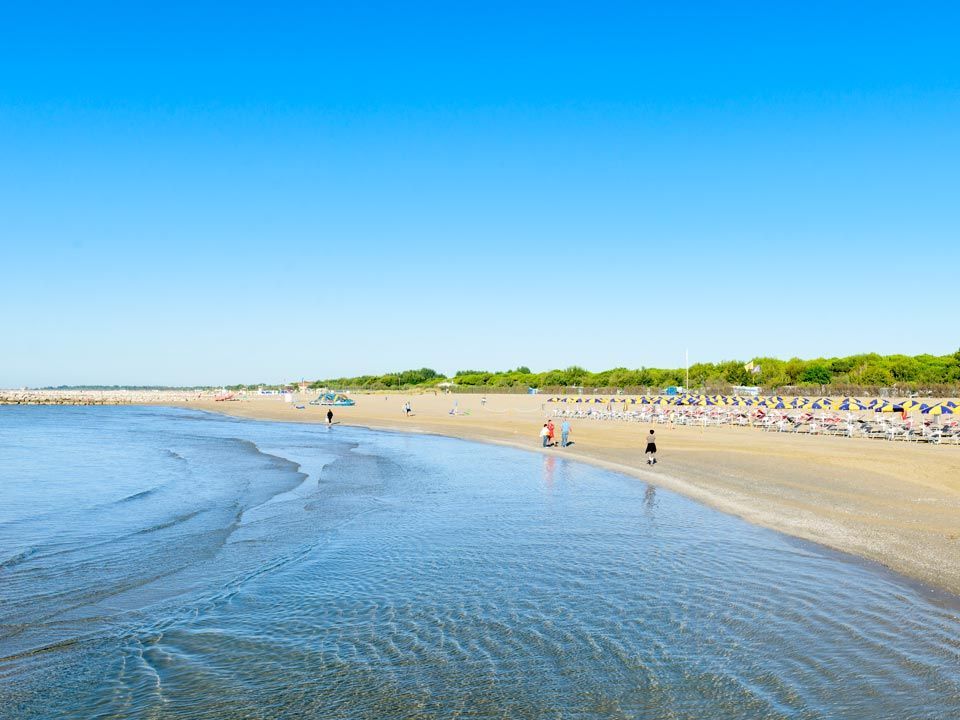
Cavallino-Treporti is a unique scattered municipality within the metropolitan city of Venice. Its name is derived from two of its main localities, while the town hall is located in a third: Ca’ Savio.
It is one of Italy’s youngest municipalities, having officially separated from the territory of Venice in 1999 following a local referendum the previous year.
Origins
Cavallino-Treporti was already inhabited during the Roman era, as evidenced by archaeological excavations that unearthed two patrician villas. Following the fall of the Western Roman Empire, the islands of the Venetian Lagoon became a safe haven for mainland populations fleeing barbarian invasions.
For a long time, this area was plagued by poverty and malaria. It only became healthier with the construction of the Casson Canal, which opened a navigable waterway between the lagoon and the Piave River. Indeed, this territory is constantly evolving. Since 1888, a steady expansion of the coastline has gradually distanced the Treporti islands (Lio Piccolo, Mesole, Saccagnana) from the open sea.
The 19th-century buildings still visible today testify to the economic and political stability Cavallino achieved during that period. After shifting from the administration of Torcello to the Municipality of Burano, it developed a strong agricultural vocation.
The Coastline
Today, the Cavallino-Treporti coastline is one of the most important seaside resort areas in Veneto. It stretches out as a fertile peninsula between Venice and Jesolo, uniquely framed by the iconic silhouette of Venice in the background.
It is a land suspended between the sea and the lagoon, where herons, cormorants, seagulls, and pink flamingos find refuge, while its fishing lagoons are home to eels, sea bass, and sea bream. For years, Cavallino-Treporti has been awarded the prestigious Blue Flag for the excellent quality of its waters and beaches.
Regular testing confirms the purity of the swimming waters, thanks to the complete absence of industrial or sewage discharges into the sea. Furthermore, the beach is impeccably clean, fully equipped with efficient amenities, and offers excellent wheelchair accessibility.
Le Tegnue Reefs
Le Tegnue of Cavallino-Treporti are a true oasis of marine biodiversity and a paradise for scuba diving enthusiasts. They consist of unique rocky outcrops formed over the last 4,000 years by calcareous red algae known as corallines. These natural reefs are located at depths ranging from 15 to 40 meters.
They were discovered by local fishermen who frequented this highly productive fishing area and often retrieved damaged nets. In the Venetian dialect, the word “tegnue” literally means “retained” or “held back.”
Soon, fishermen learned to navigate alternative routes, which preserved the rich marine wildlife of the area. Today, it hosts large starfish reaching up to 30 cm, “hermit crab sponges,” sea anemones, lesser spotted dogfish, nursehounds, and hairy blennies.
Today, Le Tegnue is a protected marine area and a biological conservation oasis. Deep within these waters, divers can also admire the “Madonna delle Tegnue”, a statue by artist Sergio Dalla Mora placed 18 meters below the surface.
Cavallino-Treporti website: http://www.comune.cavallinotreporti.ve.it/.
Altitude of the Municipality: 2 m (zone: 5)