Chioggia Travel Guide: Exploring Veneto’s Authentic "Venice on a Human Scale"
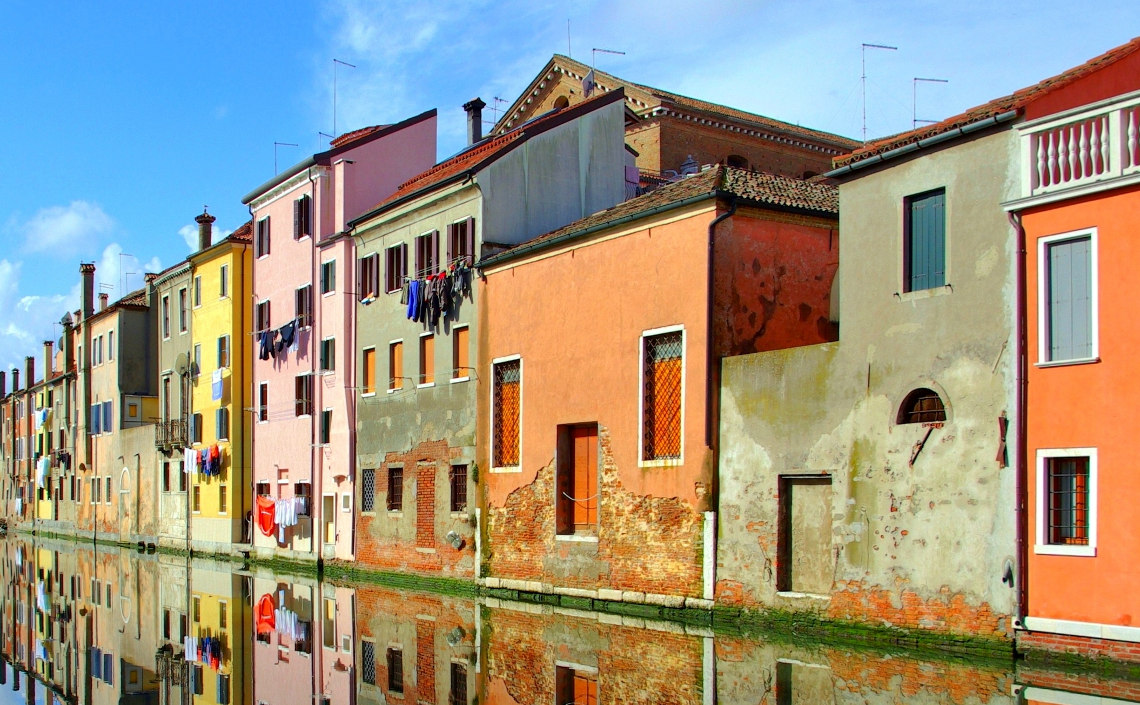
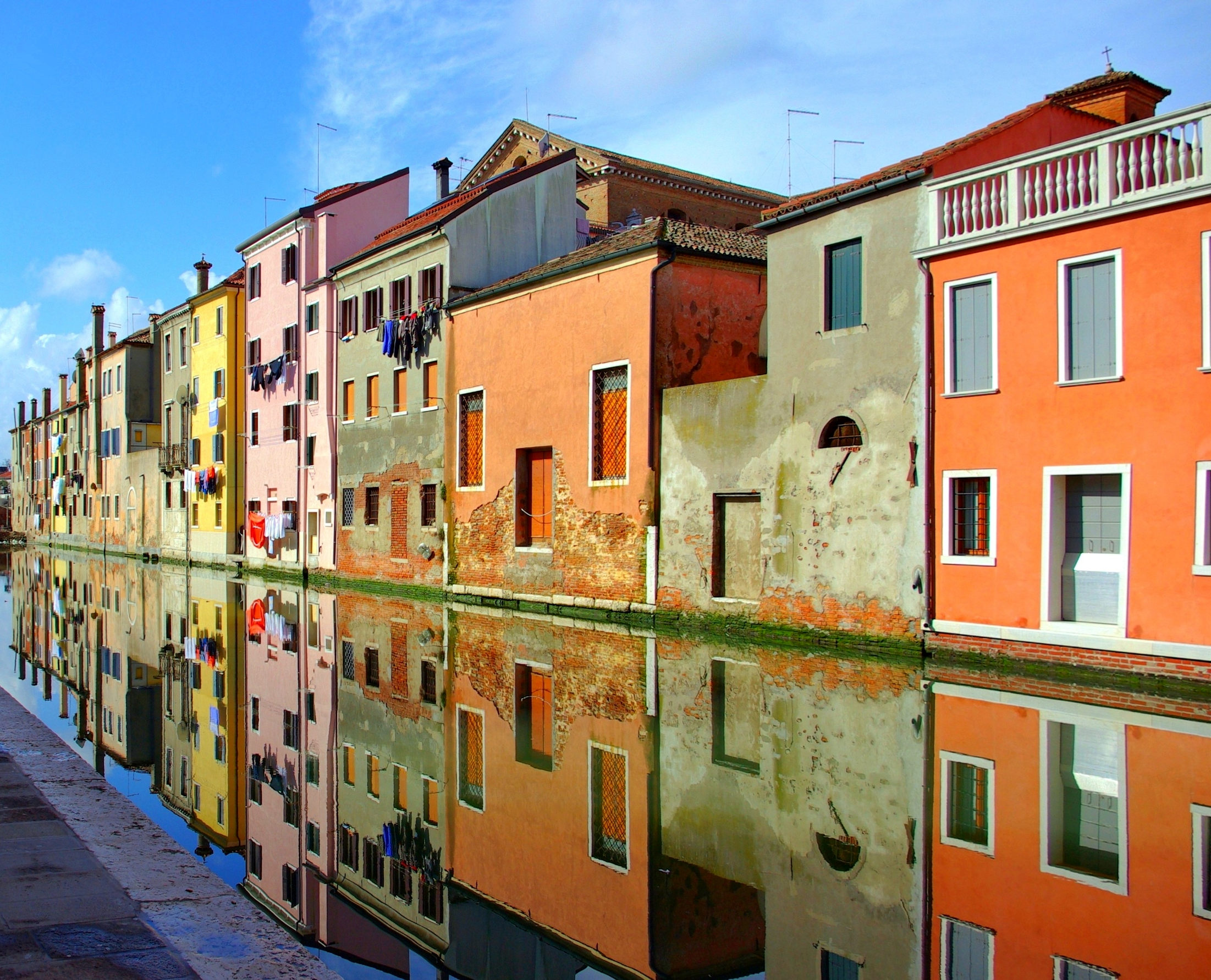
Chioggia is called the “little Venice” because its urban layout closely mirrors that of Venice itself. In fact, its picturesque canals, its elegant 18th-century palaces reflected in the lagoon, and its charming narrow alleys (calli) have absolutely nothing to envy those of Venice in terms of beauty.
Therefore, if the word “little” merely points to its more compact and intimate size, we can accept it. It certainly does not imply any lack of wonder.
In fact, in Chioggia even more than in Venice, you can truly immerse yourself in the lively coming and going of fishing boats. You can enjoy the boisterous, joyful spectacle of the local fish market, and let yourself be enchanted by the vibrant color palette of the traditional fishermen's houses.
It is a town made for wandering through the alleys, knowing that behind every single corner lies a new hidden view, even more breathtaking than the last. Because, as the celebrated writer Curzio Malaparte beautifully put it, this city is
“one single grand open-air café”
Perhaps rather than a “little Venice,” Chioggia is a “Venice on a human scale.” And while Venice might boast more palaces and grand churches, it does not possess a town plan as uniquely geometric as Chioggia's—featuring one wide central street crossed by perpendicular alleys to form a perfect “fishbone” pattern.
“A thin strip of sand stretched out before the sea and, behind it, lagoons swept by marine currents; not far off you can see cultivated fields and, in the distance, the profile of the hills.” (Livy)
“There are those who believe they know Italy, but when, by a route error, they arrive in Chioggia and discover it, they cry out in wonder and bite their fingers for having ignored it or believed it wasn't worth visiting (...).
It is a small city of fifty thousand inhabitants, but it is boundless, dark and radiant, dramatic and happy, passionate and serene, like the great canvases of the master painters of the Venetian school, who seem to have drawn their inspirations right here.” (G. Comisso – Writer)
“...one could not say that Chioggia is a poor Venice, like Murano and Burano: Chioggia is a Venice of the earth, and its palaces are made of the same white stone that looks like marble...” (Cesare Brandi – Art Historian)
Origins
According to ancient legend, Aeneas fled Troy after its destruction alongside Antenor, Clodius, and Aquilius. The latter companions stopped along the Venetian coasts, where each founded a city: Antenor founded Padua, Aquilius founded Aquileia, and Clodius founded Clodia, the ancient name of Chioggia. Modern historical studies, however, trace its true foundation back to the Pelasgians—skilled seafarers from Thessaly who also founded other vital cities along the Adriatic Sea.
The name Chioggia is believed to derive from the ancient word “cluza,” meaning “artificially built,” because without human engineering, this fragile area of the lagoon would be entirely submerged by the tides.
Salt
Chioggia was famed in antiquity for its precious salt production, which Pliny and Cassiodorus considered the finest available. Salt production was vital for Chioggia, acting as the primary currency to trade for all other goods the community needed. By the year 1200, the Venetian lagoon had become the leading producer of salt in the entire Mediterranean.
This highly prized “sal clugiae” eventually became a state asset under the Venetian Republic, which took advantage of its monopoly to impose heavy taxes on this indispensable resource. Even when other production centers emerged later on, Venice continued to profit by using salt cargo to fill its ships' holds. Yet, while Venice thrived on this competition, Chioggia suffered deeply; its historic salt pans entered a severe crisis and eventually vanished forever.
Squeri and Bragozzi
Visiting the Isole dei Cantieri (Shipyard Islands), you can still see the historic *squeri*—traditional shipyards where master shipwrights build the bragozzi. These are the iconic traditional boats of Chioggia, whose construction secrets have been passionately passed down from father to son for generations.
The creation of the bragozzo marked a true revolution for local fishermen, as they were far more affordable than the older *tartane* boats. The bragozzo features a flat hull perfect for navigating shallow lagoon waters, yet it is robust enough to face the open sea. Angels or Madonnas are always painted on the bow to bring good fortune, while the owner's name and home port adorn the stern.
The launch of a new bragozzo is always celebrated with a massive community festival—especially if it was built without going into debt! In the last century, over 500 active bragozzi sailed from Chioggia. Today there are fewer, but Chioggia's fishing fleet remains one of the most prominent and historic in all of Italy.
Chioggia website: http://www.chioggia.org/.
Altitude of the Municipality: 2 m (zone: 5)