

Welcome in Asolo, the City of a Hundred Horizons - The Charming Borgo of Venice's Hills
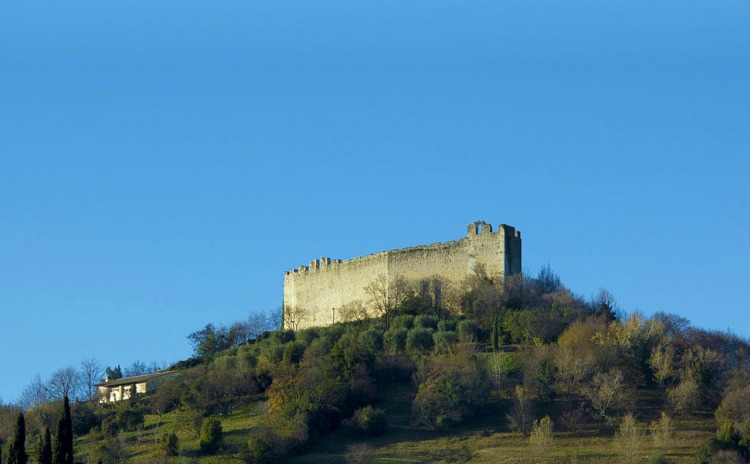
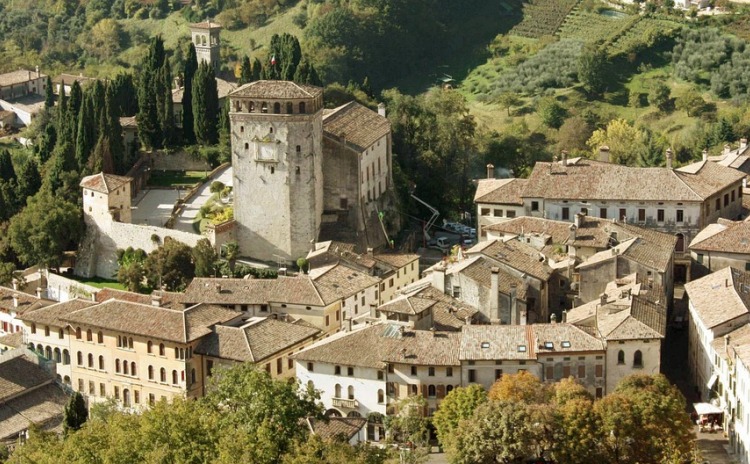
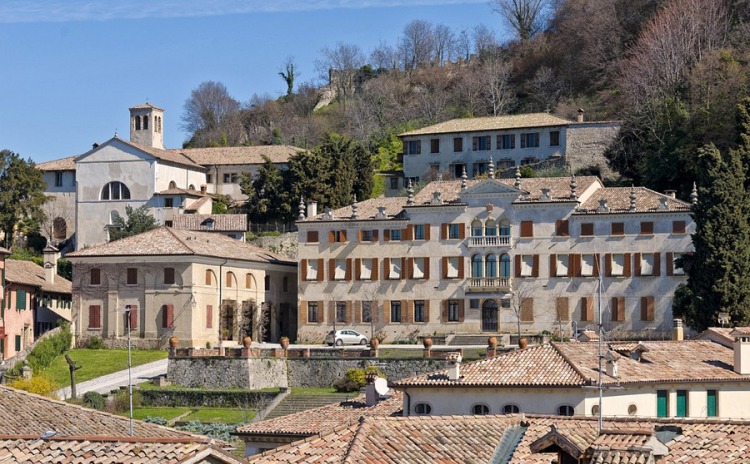
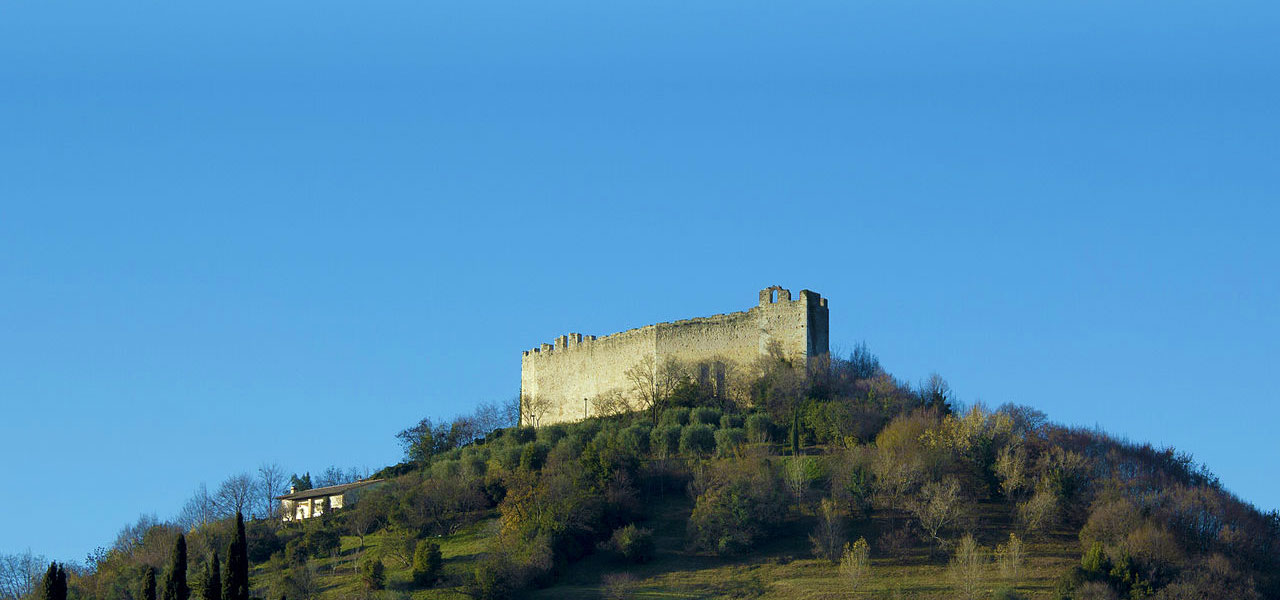
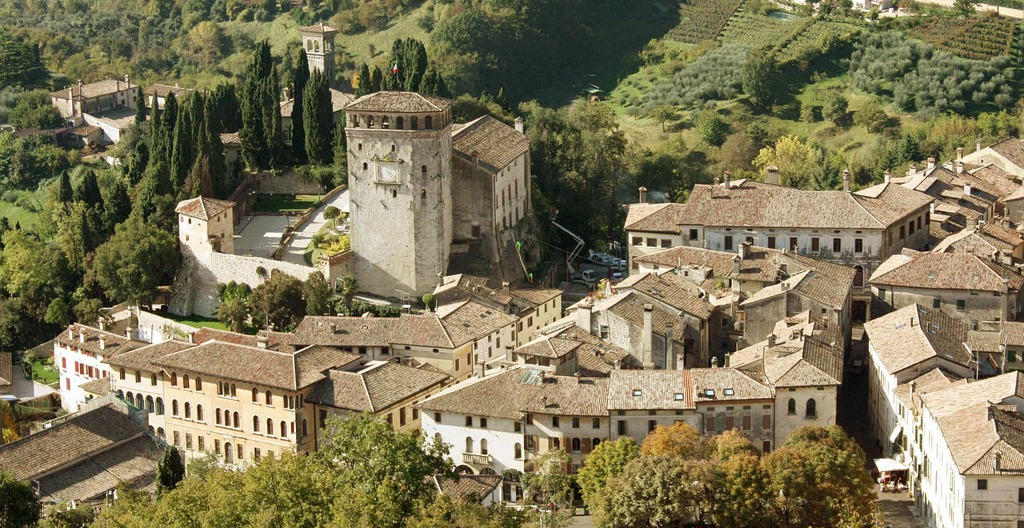
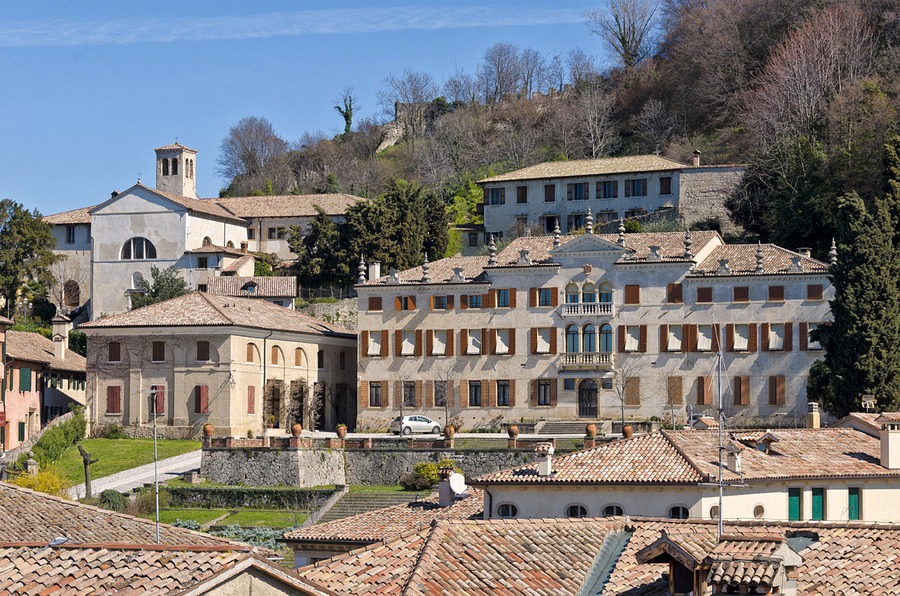
Asolo is a small, enchanting village in the Marca Trevigiana area, nestled gently on a hillside, dominated by a medieval Fortress and surrounded by rolling vineyards. Artists, writers, and poets from all over the world have always been captivated by its pleasant and evocative landscape, choosing to live here or dedicating timeless verses to its beauty. Indeed, historical figures such as Robert Browning, Henry James, Ernest Hemingway, Eleonora Duse, and many others have walked the streets of Asolo. To understand the sheer beauty of this village, one only needs to realize that in the hearts of British travelers, it is the only place capable of rivaling the most famous Tuscan hamlets. Unsurprisingly, it is officially listed among the "Borghi più Belli d’Italia" (Most Beautiful Villages of Italy).
“The city of a hundred horizons” (Giosuè Carducci)
"I assure you that, even with my experience of the finest panoramic views in Italy and elsewhere, I know of nothing that can compare with the view enjoyed from the tower and the Queen's palace" (Robert Browning)
"Neither San Gimignano, nor Siena, nor Volterra captivated me like Asolo, which from that day forward dominated me and made me its slave" (Gianfrancesco Malipiero)
“At the top of the Fortress, you feel as if you are on the peak of a diamond, where every single facet inspires a panorama of iridescence” (Giovanni Comisso)
"A rare city of talking houses" (Manlio Brusatin)
“I love Asolo because it is beautiful and peaceful, a village of lace and poetry” (Eleonora Duse)
The name
According to some scholars, the name Asolo derives from the Latin Acelum, which traces back to the Indo-European root *ak*, used to indicate a "sharp or pointed place," perfectly describing the hill upon which the village stands. According to others, however, it stems from “Asylium”—signifying a sanctuary, a place of shelter and rest.
Asolo and its women
Caterina, Eleonora, and Freya were three women of strong, courageous character, to whom Asolo successfully offered the deep peace and tranquility they desperately needed.
Caterina da Cornaro…
Caterina da Cornaro, a noble Venetian woman, married King James II of Lusignan, ruler of Cyprus and Armenia. The marriage, however, was short-lived; James II passed away just a couple of years later, leaving her pregnant. Unfortunately, his testamentary provisions were highly ambiguous, leading to Caterina's exclusion from the government. The throne was fiercely contested by James II's three children from a previous marriage, as well as his sister. Consequently, following the birth of her son, Caterina faced severe harassment and political pressure, which ultimately forced her to abdicate.
As a result, the throne of Cyprus came under the direct control of the Republic of Venice (La Serenissima). Caterina was then appointed “Domina Aceli” (Lady of Asolo), while still being permitted to retain her title of Queen. The only restrictions imposed on her authority in Asolo were that she could not harbor individuals unwelcome to the Doge and could not oppress the local population. However, Caterina was solely interested in establishing a vibrant Renaissance court surrounded by poets, scholars, and artists.
…Eleonora Duse…
Not far from the Castle, in a picturesque alleyway, stands the house of one of the greatest theater actresses of the late 19th century: Eleonora Duse. It was in this elegant, red-fronted residence that the actress lived her tormented, passionate love story with the poet Gabriele D’Annunzio. In Asolo, Duse found the absolute peace and stillness that were so frequently lacking in her chaotic life. It is easy to see why the actress loved this village so deeply, and why she chose it as her final resting place.
…Freya Stark.
An extraordinary explorer, cartographer, and writer, Freya Stark was one of the pioneering female travelers in history. She was the very first woman to cross the Arabian Desert and travel extensively through the Middle East. She explored remote regions of Iran where not only had no Western woman ever set foot, but no Western man either. The daughter of an Italian mother and an English father, she spent her childhood in Asolo and returned here frequently at the conclusion of her adventurous expeditions. Her Villa, and particularly the magnificent gardens and archaeological park surrounding it, are absolute must-visits. Visitors can admire the avenue of French roses, the wild meadows, and the collection of shrubs and medicinal plants brought back from her travels. The estate also houses the ruins of a Roman theater discovered in 1879. From time to time, it is well worth casting your eyes toward one of those hundred horizons that Carducci so beautifully described.
Asolo website: http://www.comune.asolo.tv.it/.
Altitude of the Municipality: 190 m (zone: 3)