

Welcome to Este: a charming walled city at the foot of the Euganean Hills
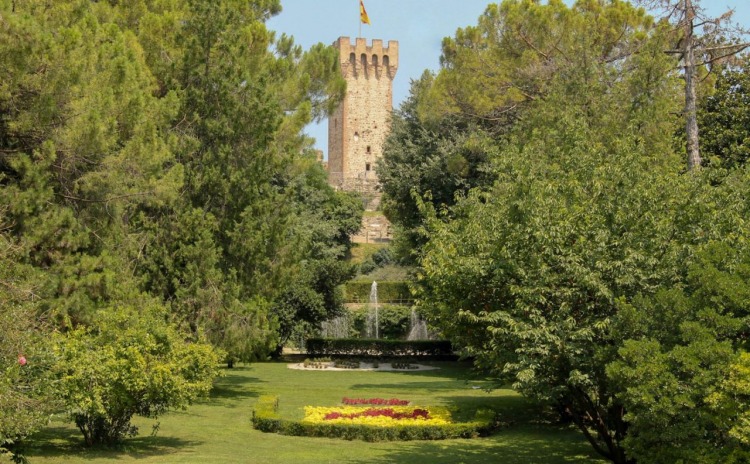
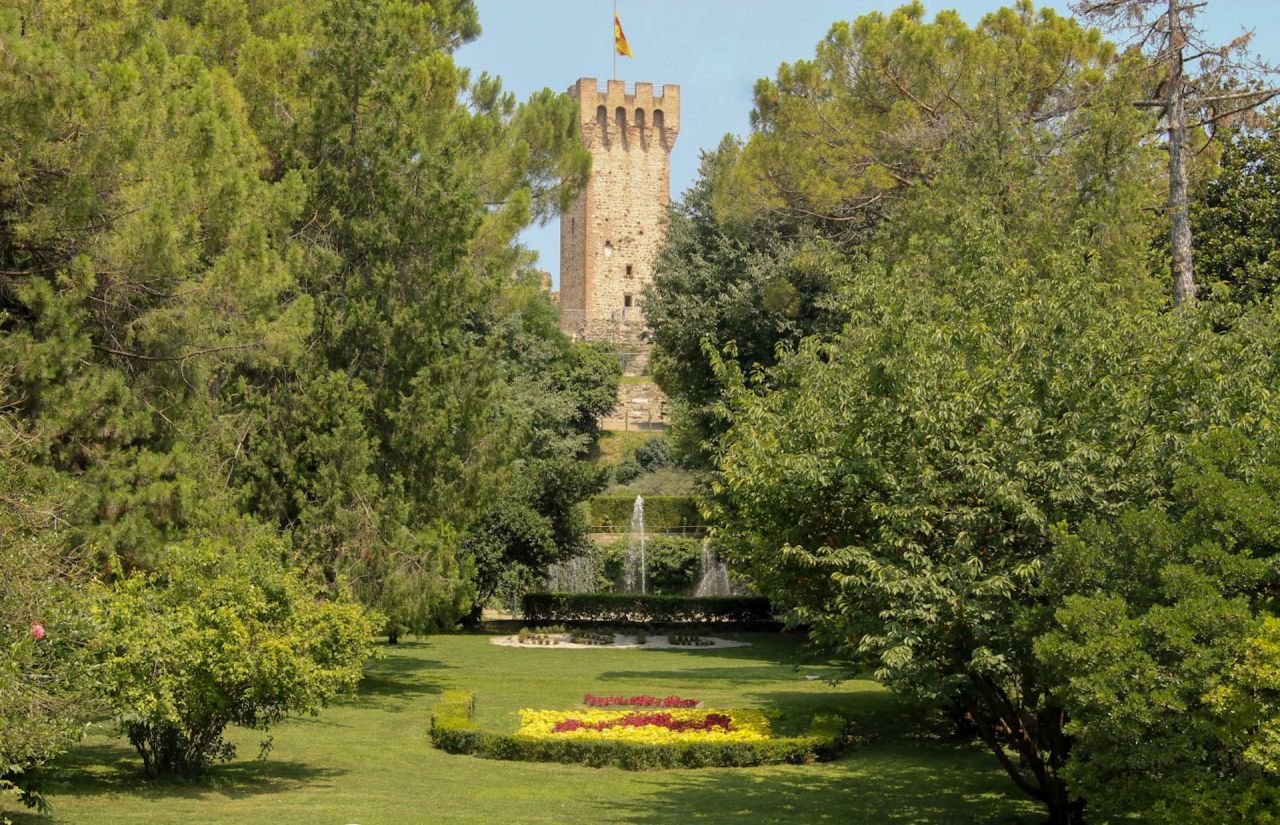
Este, located in the province of Padua, is one of the three stunning walled cities nestled within the Euganean Hills Regional Park.
These hills of volcanic origin completely surprise visitors, rising suddenly out of the surrounding flat plains. But what surprises travelers even more is their incredible biodiversity—a unique natural environment where plant species typical of warm, arid climates coexist right alongside alpine varieties.
Origins and the History Behind the Name
The name Este derives from the ancient river Athesis (now known as the Adige), which shifted its course further south in the 6th century due to a catastrophic flood. During the Iron Age, this territory was inhabited by the ancient Paleoveneti people, while in the Roman era, the land was divided and granted to veterans of the famous Battle of Actium.
Following the barbarian invasions, Este was plundered first by the Huns and later by the Ostrogoths. It was then annexed to the Byzantine Empire before falling into the hands of the Lombards. From the 11th century onward, the town was ruled by the prestigious House of Este, who built a magnificent castle here before later moving their court to Ferrara.
To escape the endless conflicts between the Ezzelini, Scaligeri, and Carraresi families, Este voluntarily submitted to the rule of Venice in 1405, entering a golden era of economic and cultural prosperity. After the fall of the Venetian Republic, it shared the fate of other cities in the Veneto region, falling under French and Austrian rule until the Unification of Italy.
The Majestic Carrarese Castle
The Carrarese Castle of Este showcases the immense strategic importance this town held during the medieval period. Historical records from 1115 mention the existence of an early fortress (castrum), which was later expanded between the 12th and 13th centuries by the Estensi. The castle experienced its most brilliant period of splendor under Azzo VI d'Este, who transformed it into a vibrant hub for troubadour culture and poetry.
However, the fierce wars between the Guelphs and Ghibellines altered its destiny. In 1249, it was destroyed by the tyrant Ezzelino III da Romano, though he later oversaw its reconstruction himself. The castle's current striking appearance is thanks to Ubertino da Carrara, Lord of Padua, who ordered it rebuilt in 1339. Later, in the 15th century—under Venetian rule—the massive curtain walls that we still admire today were constructed.
In 1570, the castle was purchased by the wealthy and powerful Mocenigo family of Venice, who built their grand residence along the southern side of the fortification. Palazzo Mocenigo consisted of two symmetrical buildings; unfortunately, to make room for their construction, two of the castle's 14 original medieval towers were demolished.
Today's curtain wall dates back to that 15th-century Venetian era, featuring one kilometer of walls that are one and a half meters thick, topped with distinctive Ghibelline battlements. Interrupted at regular intervals, 12 surviving towers remain standing, completely open toward the interior. The grand structure is completed by the 21-meter-high Keep (Mastio) and the "Porta del Soccorso" (Rescue Gate) in the northern sector of the town.
Currently, the castle belongs to the Municipality of Este and is open to the public. Its imposing ancient walls now serve as a stunning backdrop for beautifully manicured public gardens. Meanwhile, the elegant halls of Palazzo Mocenigo house the world-class collections of the Atesino Archaeological Museum, making it a must-visit spot on your next vacation in Veneto.
Este website: http://www.comune.este.pd.it/.
Altitude of the Municipality: 15 m (zone: 5)